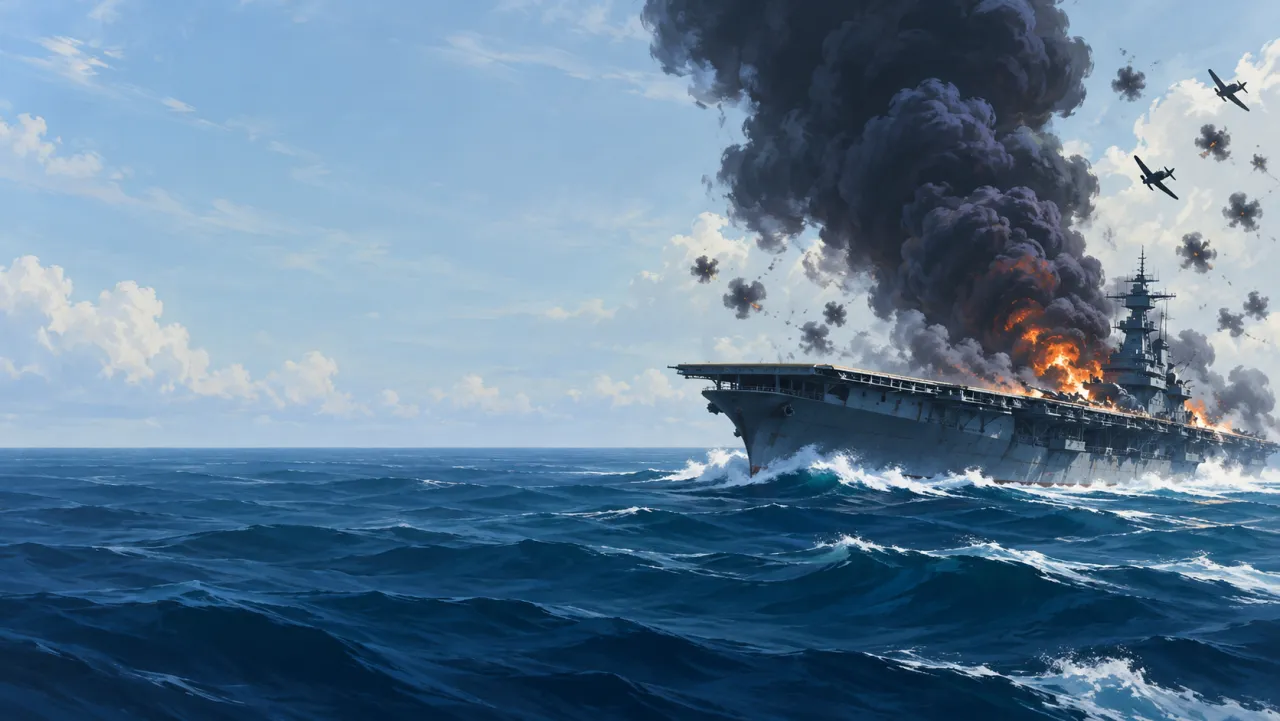
Surviving the Battle of Midway: What If You Were on the Carrier That Day?
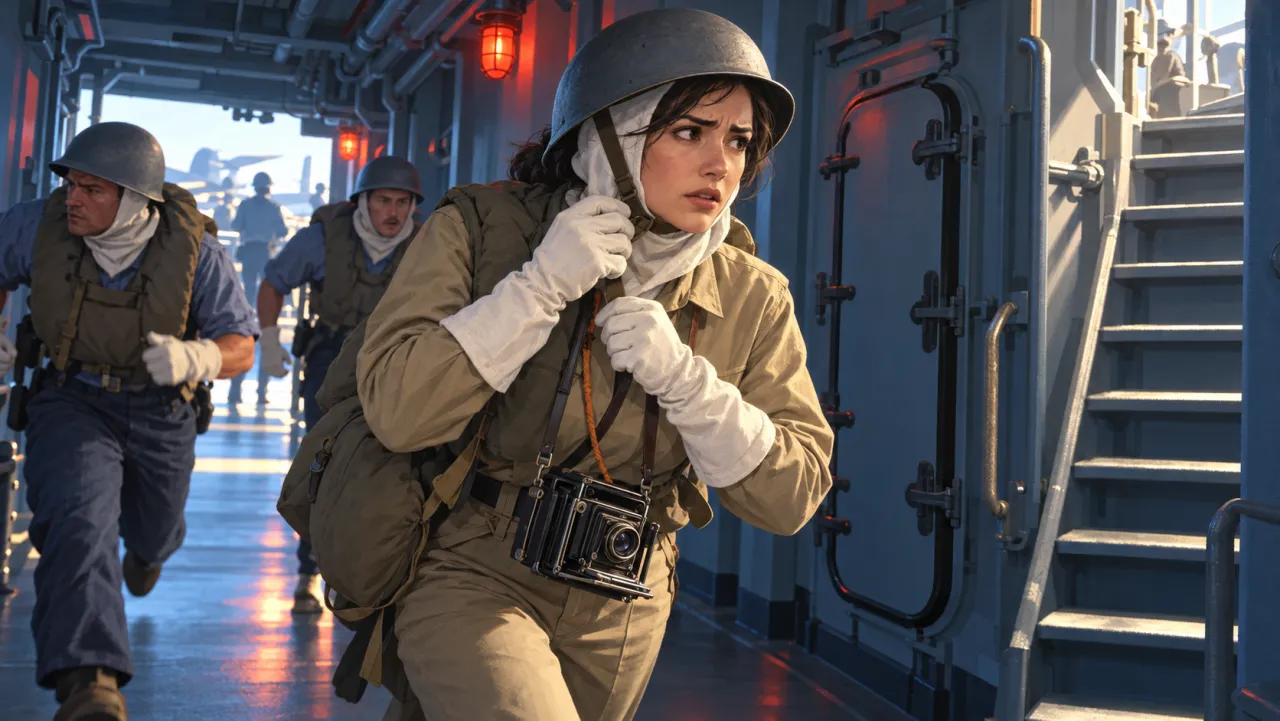
▶ PLAY FREE NOWNo download · Phone or PC · 4–5 minutes per runBattle of Midway: Survive the Carrier is a free choice-based war survival game you play right in your browser. It is noon on June 4, 1942, off Midway, aboard the US Navy carrier Granite Ridge (fictional). You play a young sailor, or a war photographer (fictional) who boarded with the Navy's permission. The general quarters alarm sounds, and black dots on the horizon turn into dive bombers.

How the day unfolds
The right answers come from the War Department manual FM 21-22 (1944) on abandoning ship and water survival, US Navy damage control and survival training, and records on flash protection. The wrong answers are mistakes frightened people really make. A run takes 4–5 minutes.
- General quarters: Grab your hood, gloves, helmet and life jacket and go to your station, or climb on deck to watch?
- The 1.7-second dive: When you hear it, can you hit the deck in time?
- Damage control: Hangar fire, fire doors, phone reports, the wounded, and another dive and strafing run.
- Recovery and torpedoes: The ship gets underway again after the fires are out, then two torpedoes hit. She lists hard.
- Abandoning ship and the water: Take the line on the low side, or jump from the high deck? In the water: burning oil, underwater explosions and scattered survivors.
- The destroyer's net: Who climbs up first?
Shell-reaction cards
The core of the War series is reacting to sound. A dive bomber's scream, strafing, a torpedo wake, an underwater blast: a warning sound and a red border appear, and you must get low within 1–2 seconds. They come up 4–5 times per run, and the more frightened you are (fear 70 or above), the less time you have to choose.
The ship's phones and the villain, Lt. Vance
The communicator in this episode is the ship's sound-powered phones and the 1MC announcing system. Switch between the 1MC, the damage control circuit, the flight deck circuit and the radio room's TBS radio to hear orders and reports, and tell damage control headquarters where the fire is. On the flight deck circuit, Lt. Vance (fictional), hungry for medals, calls "Stand next to me." He keeps a life jacket locked away for officers and, even after the abandon-ship order, shouts "Hold her to the end." If you gather evidence, you can expose him.
Story, random events and perks
In Story mode the dive comes at the same moment every time. In Random mode, the dive time, the torpedo attack time, when the destroyer arrives and whether an underwater explosion happens change every run. Your starting spot (mess, hangar, gallery) and perk change from run to run too.
- 🩺 CorpsmanTreats burns and shrapnel wounds properly · a big help in sick bay
- 🔧 Damage Control Machinist's MateQuick with watertight doors and fire hoses · a voice damage control trusts
- 🦺 Senior Deck Petty OfficerHas drilled abandon ship dozens of times · drops into a prone position in one move · people listen
- 📦 StorekeeperKnows where the life jacket lockers are · ties vest straps properly for others
- ☕ CookKeeps a canteen and hardtack handy · calms frightened people
- 🔦 Anti-Aircraft LookoutSpots dive bombers before anyone else · slightly longer warning time
- 💻 RadiomanHandles telephone circuits and ship's announcements · reports come through clearly
- 📢 Ship's Newspaper SailorChecks the official announcement when rumors spread and reports it · protects morale
- 🛋️ Newly Assigned RecruitDoesn't know the ship's layout, so moves slowly · calm, with nothing to lose
- 🚴 MessengerKnows every shortcut aboard · climbs ladders fast and swims fast
- 🧹 Deck HandKnows every passageway and hatch · gets out through smoke-filled passages quickly
Same faces, another era: four shipmates
The familiar faces from the Survival series appear as people of 1942. Chief Harris, timid but impossible to dislike (his secret: he can't swim), Joey, the cub reporter, wearing a huge telephone headset, Doris, the correspondent, a veteran who bandages the wounded in sickbay, and Sonny, the radioman, who hears every rumor first.
12 hidden missions
Three missions are secretly picked each run and revealed on the result screen. Examples: Hood and gloves, Hit the deck at the sound, Vance's notebook, Low side, down a line, Into the wind, A line for the enemy too, Hold on to the Chief.
12 survivor types
If you survive, your actions decide your type.
 One who abandoned ship by the bookHood, helmet, vest, getting down, low-side rope, upwind, floating together. You followed it line by line.
 One who dropped at the sound firstDive, strafing, torpedo. When you heard the sound, your body went low before you thought.
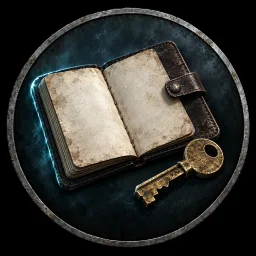 Vance's exposerThe thirty vests from the locked locker returned to the sailors' hands.
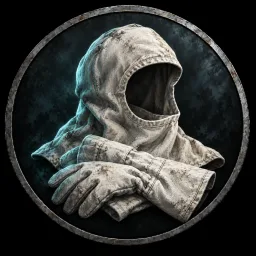 One in a hoodHood and gloves stayed on despite the heat. The flash passed your skin by.
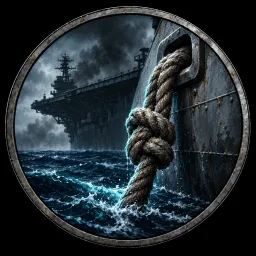 Low-side ropeYou didn't jump from the high deck. You climbed down a rope at the point closest to the water.
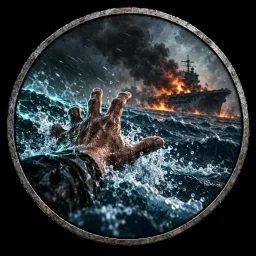 One who faced the windYou didn't turn your back on the burning oil; you went upwind. You slapped the water to push the flames back.
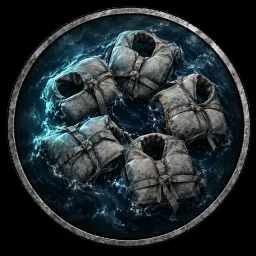 A ring on the waterYou floated holding each other's vest straps. The destroyer looked for the group first.
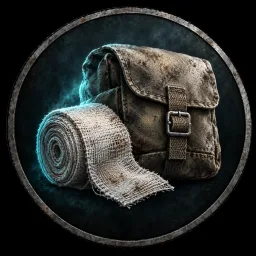 Hands of sick bayEven in the flames you lifted a stretcher. Doris thanked you.
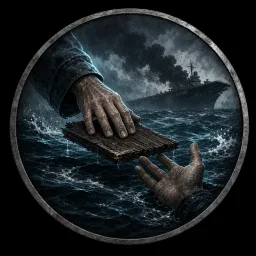 One who threw a line to the enemy tooYou pushed a piece of wood to a wounded enemy pilot afloat. Even in war, you were human.
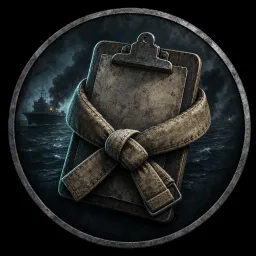 Keeper of Chief's secretYou tied the vest straps of a twenty-year chief who couldn't swim.
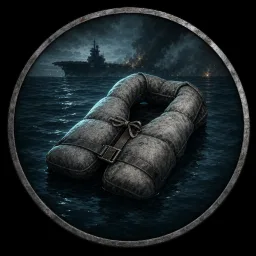 Survivor of the PacificYou made mistakes, but you stayed afloat to the end.
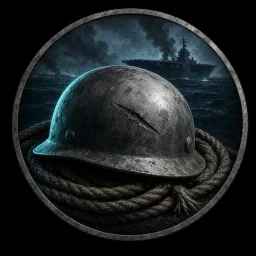 The lucky-break survivorYou were full of mistakes, but you lived. The sea let you off.
12 death types
If you die, the type shows which mistake did it.
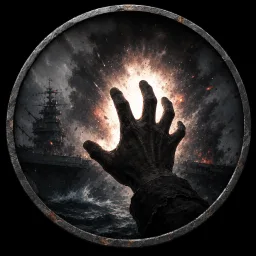 Flash on bare skinThe hood and gloves were in your pocket. Your sleeves were rolled up.
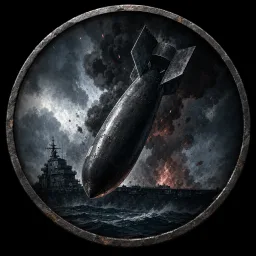 One who looked up at the skyYou didn't drop when you heard the dive.
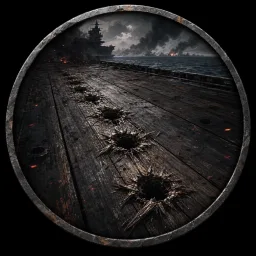 One on the open deckStrafing picks the decks with nowhere to hide.
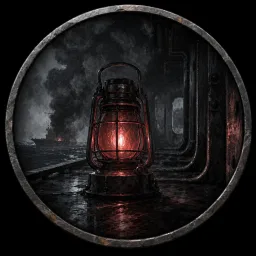 Smoke-filled passageYou ran standing. The smoke was above.
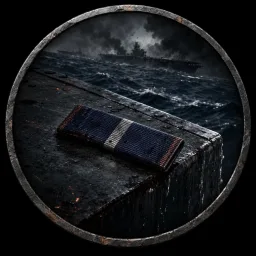 One who followed Vance's order"Hold to the end." The man who gave the order was already on the rope on the other side.
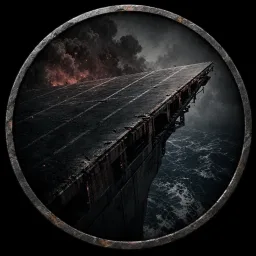 One who jumped from the high deckOn the low side there were ropes and nets.
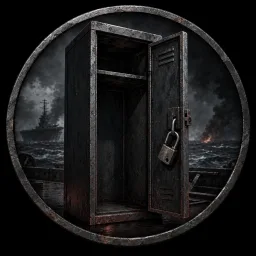 To sea without a vestThe kapok vests were inside the locked locker.
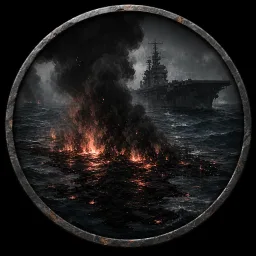 Same direction as the flamesYou swam with your back to the wind. The fire rode the wind and was faster.
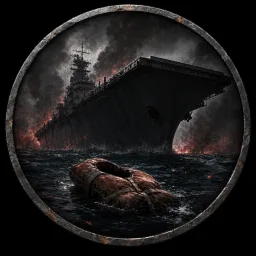 One who stayed by the hullThe water beside a listing ship is the most dangerous water.
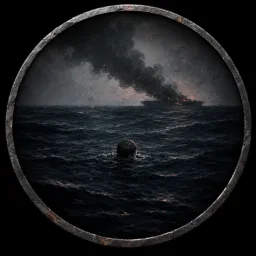 One who swam aloneThe destroyer was far and the sea was wide. The group was behind you.
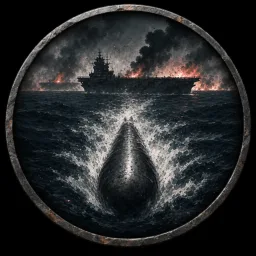 One standing at the torpedo shock"Brace for shock!" Something to hold was right beside you.
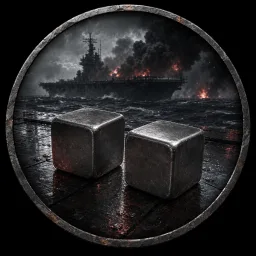 The incredibly unlucky oneYou did almost everything right. The sea that day was still harsh.
10 survival tips for the game (and real life)
- When the alarm sounds, go to your assigned place. Sightseeing is the most dangerous spot.
- Cover your skin. Anti-flash hood and gloves, sleeves down, and don't take clothes off.
- Hit the deck at the sound. Open your mouth slightly and cover your ears.
- Stay low in smoke, cover your nose and mouth, and keep a hand on the wall.
- Put on your life jacket early and tie it tight.
- Abandon ship on orders, from a low point near the water, by line or net.
- If you must jump, feet first, legs together, holding the jacket down.
- Once in the water, get away from the ship.
- With burning oil, go upwind and splash water to push the flames away.
- Stay together and save your strength. Keep away from the rescue ship's screws.
What really happened that day
At the Battle of Midway on June 4, 1942, the US Navy sank all four Japanese carriers (Akagi, Kaga, Soryu and Hiryu). The American carrier Yorktown was hit by three bombs from Hiryu's dive bombers, got the fires under control and was underway again, but two torpedoes from the next wave of torpedo planes left her listing badly and she was abandoned. Most of her crew were picked up by destroyers. Yorktown was hit by more torpedoes from a Japanese submarine on June 6 and sank on the morning of June 7. The carrier and characters in this game are fictional, but the course of the day follows these records.
Send your result to a friend
When a run ends, enter your name and share the result. This game is the second part of the War series, in which you survive a single moment of a great battle in history. The same faces meet again that winter in the ruined city of Stalingrad.
FAQ
Is the Battle of Midway game free?
Yes. It is a free browser game with no payments, no ads and no install. It works on phones, tablets and PCs.
Are the ship and the people real?
No. The carrier Granite Ridge and all the characters are fictional. The battle, dates and general facts follow records such as those of the US Naval History and Heritage Command (NHHC).
Do I shoot enemies or earn points?
No. The only goal is to survive. There are no scenes of killing and no scores, and the right choice is to treat an injured enemy pilot in the water as a human being.
How long does a run take?
Usually 4–5 minutes. Recovery and time in the water are compressed and play automatically, pausing only when something happens.
What are shell-reaction cards?
Cards where a warning sound for a dive, strafing, a torpedo or an underwater blast means you must choose to get low within 1–2 seconds. They appear 4–5 times per run.
Are there jump scares?
Yes. There are surprise events such as a fuel vapor explosion, a blacked-out passageway, and something brushing your leg in the water. You can switch to "Fewer jump scares" on the start screen.
How many survive if they just go by gut feeling?
In bot tests, about 83% of players who choose by gut feeling die. Everyone who follows the manual survives.
Are there other episodes?
There is the War series (1940 London Blitz, 1942 Stalingrad, 1944 Omaha Beach, 1944 Leyte), plus the Distress series and the Disaster series.