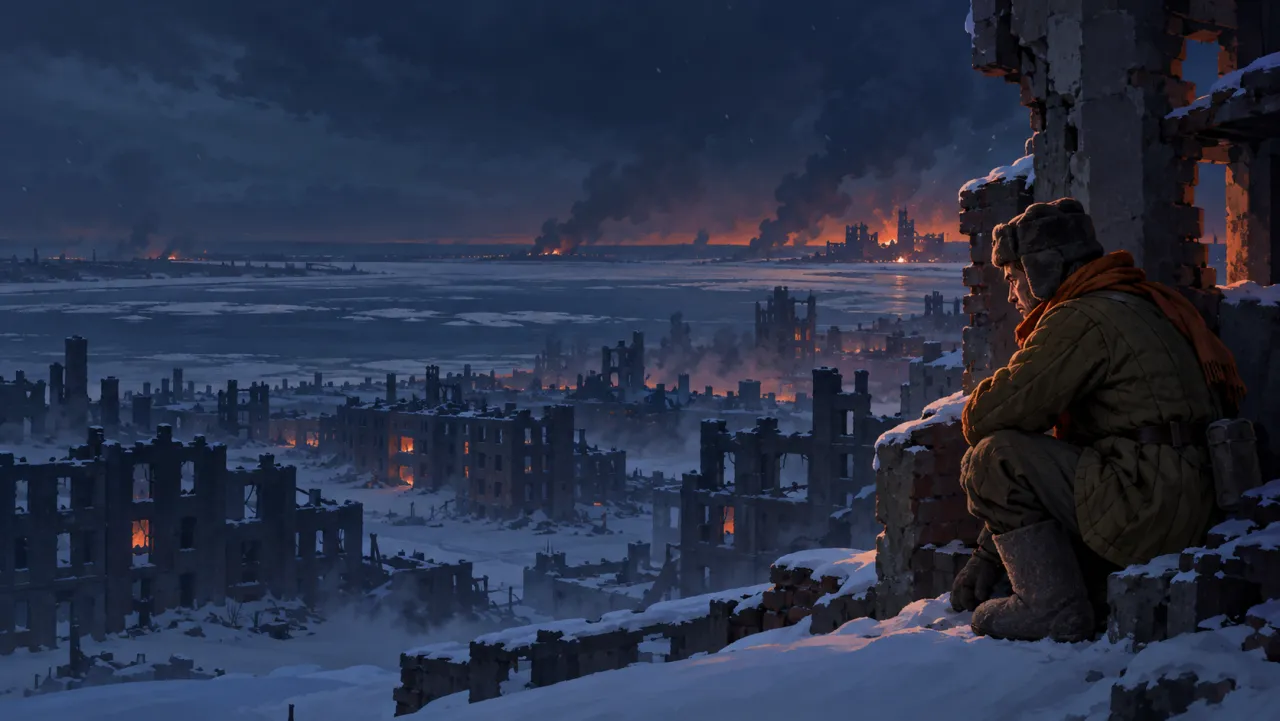
Survive Stalingrad: can you hold out until you cross the Volga?
▶ Play free nowNo install · phone & PC · about 4 min per run“Stalingrad 1942: 34 Hours to the Volga” is a free choice-based war survival game you play right in your browser. At dusk on 18 November 1942, a gutted apartment block has become the strongpoint of a fictional company, and refugees with nowhere else to go hide in its cellar. The goal is not to defeat anyone — only to survive: through shelling, snipers and bitter cold, you wait for the night boat across the Volga.

How a run goes
The right answers come from today's official guidance (US CDC on frostbite, hypothermia and trench foot; Korea's National Disaster Safety Portal on explosions; a US Army sniper manual; the International Committee of the Red Cross), and the wrong ones are mistakes people really make. A run takes about 4 minutes.
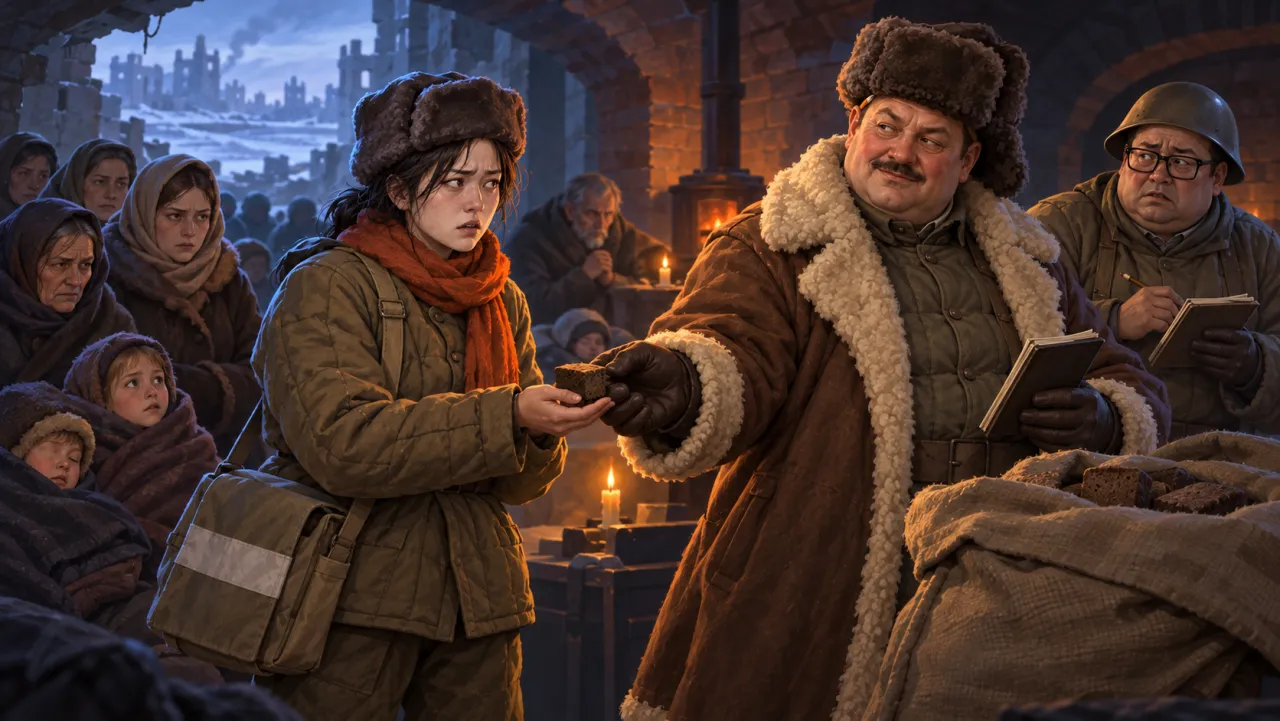
- Ration line: the mortars are getting closer — go straight down to the cellar with your bread, or climb to an upstairs window to look?
- First barrage, 20 seconds: within 1.7 seconds, drop flat, cover your ears and open your mouth. A rookie frozen at the window, a sergeant running upstairs, a supply sergeant dragging away the ration sack.
- Golden time: a child under the collapsed stairs, a cut field-telephone line, night coming fast. What first?
- Holding out, 34 hours: melting snow, hiding the light, wet foot-wraps, frostbite, sharing bread — and shells that can come at any moment. When you hear one, you have 1.6 seconds to hit the floor.
- Crossing the Volga: on a flare-lit night, you go down the shadowed gully and board a small boat.
Shell reaction cards and sudden scares
The core of the war series is reacting to incoming shells. When you hear a mortar launch or a high whistle, the screen turns red and you have a very short time to drop. The more frightened you are (the Fear stat), the less time you get. At night come sudden scares — a sniper's shot, a swarm of rats on the bread sack — and by day, a tank rolling into the street. You can switch to “mild scares” on the title screen.
The field telephone and the villain Orlov
This episode's communication device is a field telephone. When the first barrage cuts the line, HQ doesn't even know you're alive. You have to crawl through the rubble's shadow, each time a flare dies, to splice the wire — only then can you report your position and headcount and get a place on a Volga boat. On a crossed line you can hear Supply Sergeant Orlov selling skimmed bread and vodka. He sends people on errands down sniper-watched roads and threatens to denounce anyone who talks. Keep his ledger as evidence and you can expose him in front of everyone.
Story, random situations and roles
Story mode plays the scenario above (a blizzard on the first night, a tank by day). Random mode changes the blizzard, the tank, the number of shells and the boat timing every run. Your character's name and role change each run; as was common at the time, a female protagonist is often a medic and a male one a signaller or runner.
- 🩺 MedicTreats the wounded fast and right · spots frostbitten hands and feet and thaws them properly
- 🔧 Combat engineerProps up a failing ceiling with a beam · splices cut telephone wire quickly
- 🦺 Veteran sergeantHears incoming shells first (+0.4 s to react) · knows how to steady a panicking person
- 📦 Supply privateKnows the ration ledger numbers — first to notice where the bread leaks · grabs one extra loaf
- ☕ Field cookMelts snow fast on a tiny fire and makes hot water · calms people with a warm cup
- 🔦 LookoutKnows which windows the sniper watches · stands night watch and gets hurt less by sudden scares
- 💻 SignallerSplices field-telephone wire in no time and reports position and headcount precisely · saves the phone battery
- 📢 War correspondentWrites everything down — keeps Orlov's ledger as evidence · sees through enemy propaganda at once
- 🛋️ Fresh conscriptEighteen, dragged straight from the factory · knows a hammer better than a rifle · brought spare foot-wraps
- 🚴 RunnerKnows every shadowed path through the rubble · crosses open ground fast in short dashes
- 🧹 OrderlyKnows every corner of the building's storerooms · always has rags, cloth and spare foot-wraps
Same faces, a different era — the people beside you
The familiar faces of the Survival series appear as people of 1942: the blustering but timid Senior Sergeant Pakhomov, the frightened rookie signaller Private Katya with her headset, Auntie Nadya who looks after the refugee children, and Kolya the runner, always first with a rumour. Enemy soldiers appear only as distant helmets and silhouettes, and the right choice is to treat a surrendering wounded soldier humanely.
12 hidden missions
Each run secretly picks 3 missions. They aren't shown on screen; you get one line when you complete one, and they're revealed on the result screen. Examples: Hit the floor at the first shell, Reconnect the line, Expose Orlov, Save the wounded enemy, Fair bread, Dry feet, Never show a light.
12 survivor types
If you survive, you get a type based on what you did.
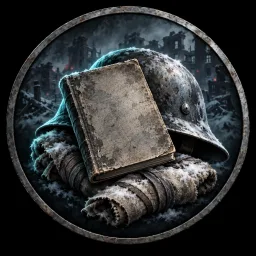 Survived by the manualDropped flat, hid the light, dried my feet, moved in the shadows. Never once stood at a window.
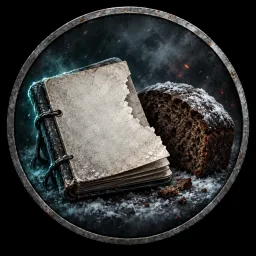 Orlov exposerA watch for a loaf, a ring for another. The ledger's numbers didn't lie.
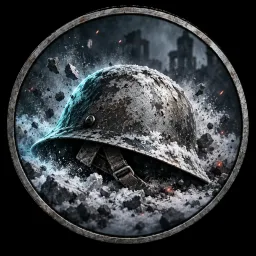 Master of shell reflexesAt the whistle, my body hit the floor before I thought. Ears ringing, but alive.
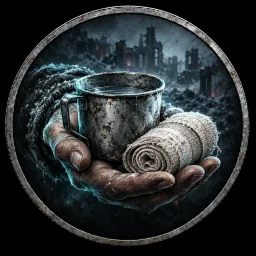 Humane even to the enemyGave water to an enemy soldier with his hands up. A line held, even in war.
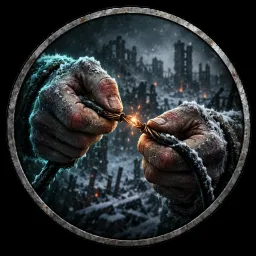 The one who spliced the lineInto the shadow every time a flare died. The line spliced with frozen fingers carried everyone across the river.
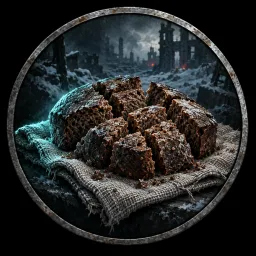 The one who shared the breadSeventeen pieces, children first. The warmest thing in that cellar.
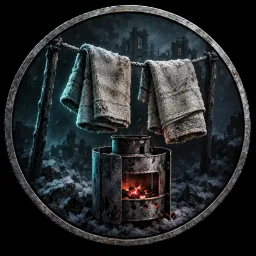 Survivor with dry feetDried the foot-wraps and melted the snow. Knew how to fight winter.
 The one who moved like a shadowNever at a window, never by a light, never on an open road. The sniper never saw me.
 The cellar's medicThe child under the rubble, the bleeding rookie, the white frozen hands. All passed through my hands.
 Limping survivorBadly hurt, but crossed the river. Can you get hurt less next time?
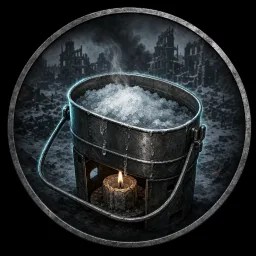 Calm survivorMade it through two nights in Stalingrad without a big mistake.
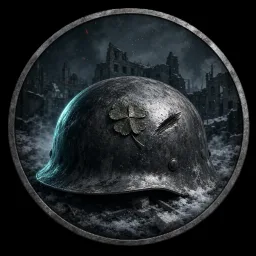 Lucky survivorFull of mistakes, but survived. Will the next battlefield be so forgiving?
12 death types
If you die, the type shows which mistake did it.
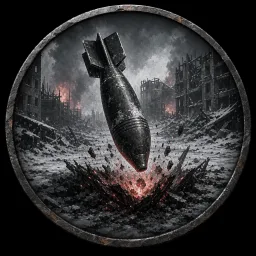 The one who didn't dropHeard the whistle. Was one second short of hitting the floor.
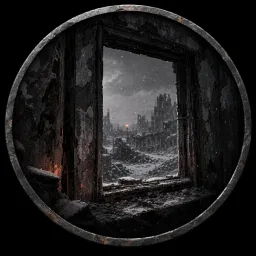 Silhouette at the windowJust wanted one look. The small glint in the window across the way came first.
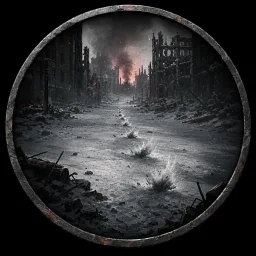 The one who ran the open streetThe river felt like one dash away. The street was guarded by a machine gun.
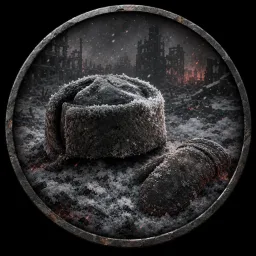 The freezing nightWet feet, a dead fire, a handful of snow. Winter came quietly.
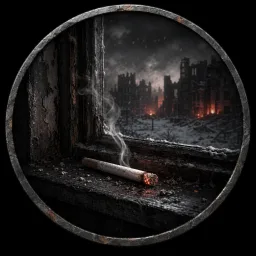 One small lightOne candle, one cigarette. In the dark, a lighthouse.
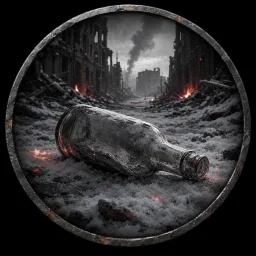 Orlov's errand boy"Run down the middle of the road, it's quick." There never was any vodka.
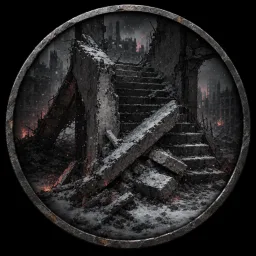 Collapsed stairwellWas standing when the first barrage hit. The stairs came down first.
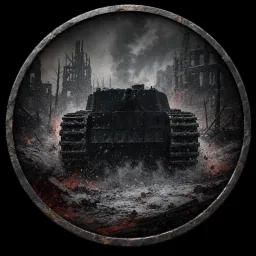 In front of the tankJust grinding steel that would have passed if you'd stayed silent.
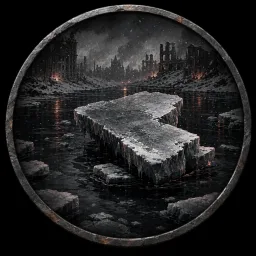 The Volga on the iceIce floes were not a road.
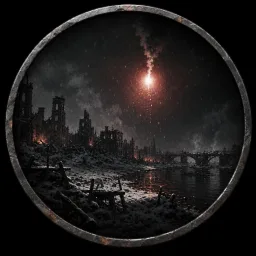 The one who ran under the flareTwenty steps to the boat. The light hanging in the sky lit up those twenty steps.
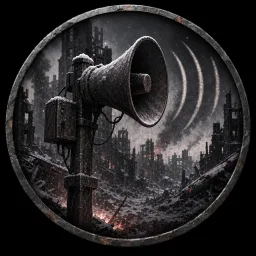 The one who believed the loudspeaker"The crossing is destroyed." The enemy broadcast was a lie.
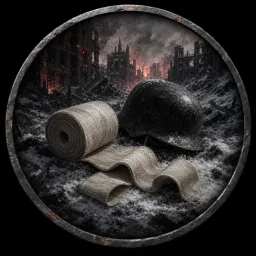 The one who collapsed, exhaustedWounds, cold and hunger, little by little. The river was right there.
10 tips for surviving the game (and the cold)
- Drop flat at the sound of an explosion. Cover your ears and keep your mouth slightly open.
- Don't stand at windows. Your outline shows against the bright outside.
- Hide the light at night. Even a candle or cigarette is visible from afar.
- Cross open ground low and fast, along the shadows.
- Stay at an inner wall with no windows.
- Melt snow before drinking it. Eating it raw lowers your body temperature.
- Dry wet feet and change into dry socks. This prevents trench foot.
- Warm frostbite with body heat or warm water — never rub it. Don't hold it to a fire.
- Share food fairly; seal it or hang it up.
- Trust official contact over rumours. Don't take a dangerous road on an unconfirmed order.
Send your result to a friend
When a run ends, enter a name and share your result. This game is the third episode of the War series, which puts you in a single moment of a great historical battle. Next is Omaha Beach, 1944 — where will these same faces turn up next?
FAQ
Is the Stalingrad survival game free?
Yes. It's a completely free browser game with no payments, no installation and no ads. It works on phones, tablets and PCs.
Are real people or real units in it?
No. The battle, dates and places are based on real history, but all people and the company are fictional. It glorifies no country or regime and uses no political symbols.
Is it a game about shooting enemies?
No. The only goal is to survive. There is no score for defeating enemies, and the right choice is to treat a surrendering wounded soldier humanely.
How long does a run take?
Usually about 4 minutes. The two nights of holding out are time-compressed and flow automatically, pausing only for events.
How do shell reactions work?
When you hear a mortar launch or a whistle and the screen turns red, pick the “drop flat” option within a short time. The more frightened you are, the less time you get.
Can I expose Orlov?
Yes. You can write down what you hear on the crossed line, keep a page of his ledger as evidence, or find his hidden storeroom and share it out in front of everyone. His fate appears on the result screen.
How many survive if they choose by gut feeling?
In bot tests, about 90% of players who choose at random die. Following the guidance, everyone survives.
Are there other episodes?
Yes: the War series (1940 London Blitz, 1942 Midway, 1944 Omaha Beach, 1944 Leyte), plus the Distress series and the Disaster series.